My Story · Prologue
The long way to medicine was the right way.
Before Stanford Medicine, I studied accounting, helped international students through the immigration process, researched legislation at San Francisco City Hall, and worked in audit and consulting at PwC. This is the story of how those detours became my toolkit.
I
2013–2017
Numbers
It began with accounting. At the University of San Francisco, I earned a BSBA with an Accounting emphasis and a minor in Legal Studies. On the side, I guided international students through university policy and visa processes, and prepared tax returns for low-income families as an IRS volunteer.
USF · University Scholar · Lead Student Assistant, International Student and Scholar Services
II
2016
Policy
As a Legislative Intern at the San Francisco Board of Supervisors, I assisted with legislative research for the development and passage of Proposition I, the Dignity Fund. I also coordinated 40+ organizations and 20+ volunteers for the 2016 Richmond Community Health Festival.
The lesson stuck: health and dignity are often decided in budgets and charters long before anyone walks into a clinic.
Spotlight · Proposition I · November 2016
The Dignity Fund
A San Francisco charter amendment that created dedicated funding for services for seniors and adults with disabilities, such as community-based long-term care, food programs, caregiver support, and community centers.
- Baseline
- $38M / yr
- Scheduled growth
- Up to $71M
- Voter approval
- 66%
- Runs through
- 2037
III
2017–2020
Rigor
At PwC, I spent three years in audit and consulting across Wealth & Asset Management and Government Compliance. I audited everything from state agencies and nonprofit foundations to a $700B investment firm, advised tech commercial banks on internal controls and SOX compliance, and trained 15+ interns along the way.
PwC, LLP · Senior Assurance Associate, Audit & Consulting · Also: Finance Operations Chair, Mabuhay Health Center (2019)
IV
2020–2023
The turn
In 2020, as the pandemic upended health care and higher education, I turned toward medicine through CSU East Bay's Pre-Professional Health Academic Program. I saw a gap right away: with everything online, pre-health students, especially Asian Pacific Americans, had few places to find community, mentors, or a clear path forward.
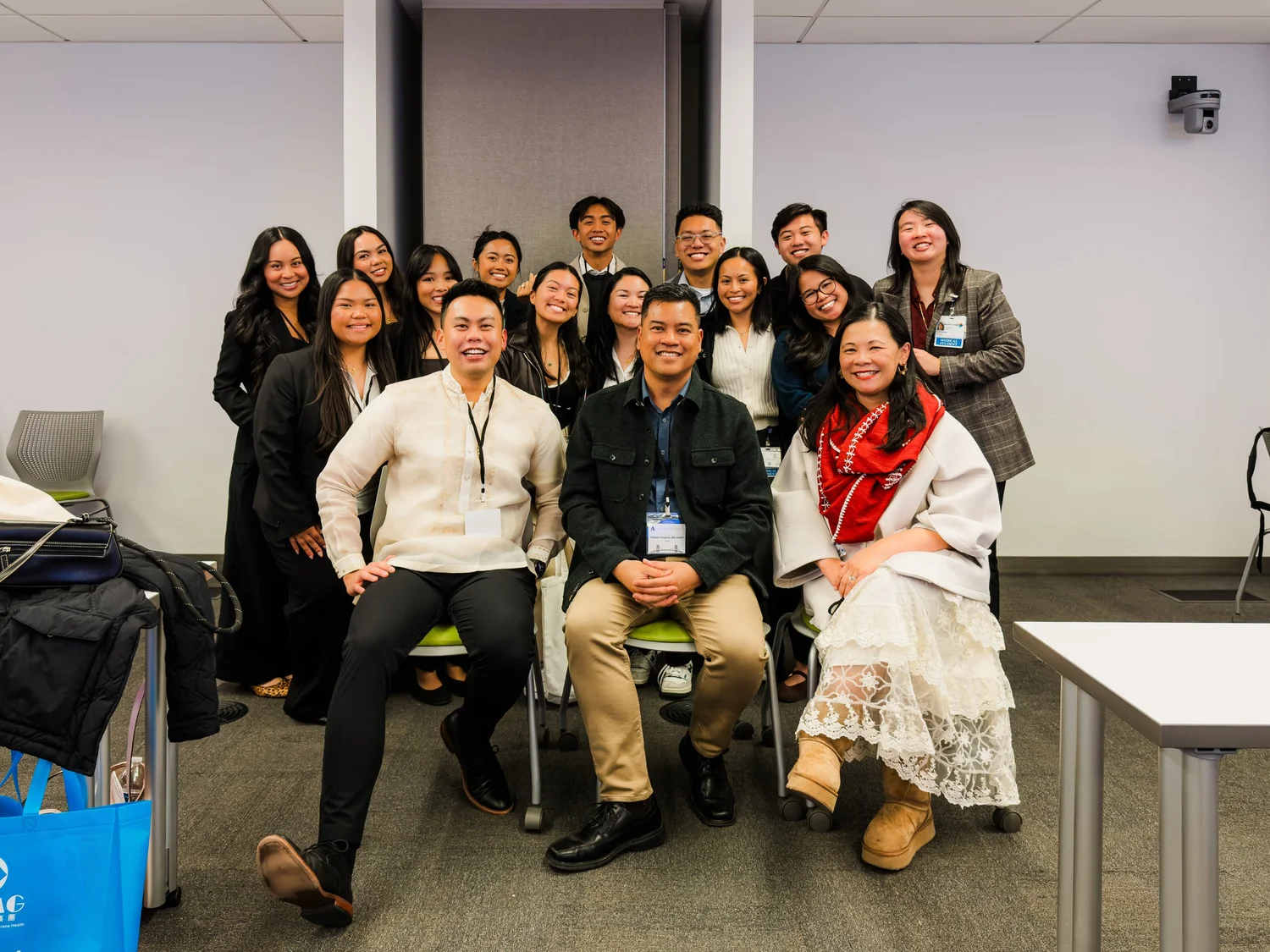
I built those spaces with others. Alongside a founding team of 10+ classmates, I started the campus APAMSA chapter and partnered with CSUEB departments, other student organizations, and community health partners on programming about COVID-19, racism, and health disparities. I helped take our Independent Study Symposium virtual so more students could take part, and joined fellow alumni to launch the USF Pride Alumni Association and connect LGBTQ+ students with mentors.
The same instinct showed up beyond campus. With fellow volunteers at Second Harvest, I helped standardize food distribution for low-income and elderly families, and I joined CYFAM as Finance Chair. Along the way, I taught nursing students at USF and volunteered at Highland Hospital.
V
2023–Present
The bridge
I joined Stanford Medicine's CARE in 2023 as a CARE Scholar, then grew into Program Administrator and Senior Program Administrator. Today I co-lead design of the School of Medicine's first Asian Health Curriculum and support the CARE Scholars Program, and in 2026 I published my first first-author paper.
In 2025, I became Executive Chair of CYFAM. Every chapter now shows up in the same week.
Perspective · Now and next
Building judgment in the age of AI
Much of the work knowledge workers do can now be augmented by AI, and some tasks may be replaced. Clinical work is included, and the effects will reach every part of society. The arrival of this technology will also push us to rethink how we think.
At Stanford, I developed AI-assisted workflows for the Asian Health Curriculum, with faculty reviewing them at multiple stages. I also teach learners how to use these tools. Two lessons keep emerging: expertise is essential for verifying AI's outputs, and getting useful results takes several rounds of refinement, not uncritical acceptance of the first response.
The capability gap I care most about closing is this one. The students and trainees who come after me need the knowledge and judgment to evaluate what these tools produce, rather than simply follow their recommendations. I want to help build that competency through mentorship, curriculum, and example.
AI has real power to do good and real power to do harm. I'm committed to testing it thoughtfully and directing it toward three goals:
Advancing the human condition
Building healthier communities
Opening doors for people who may have been left behind, so everyone can rise
In a society that often ties personal identity to work and productivity, it's also important to recognize that this technology can create more time for what matters most.
Epilogue · Still being written
Next, a joint MD/JD.
So every lens can finally work in the same room, for the communities too often left out of the data.
Write the next chapter with meOff the page
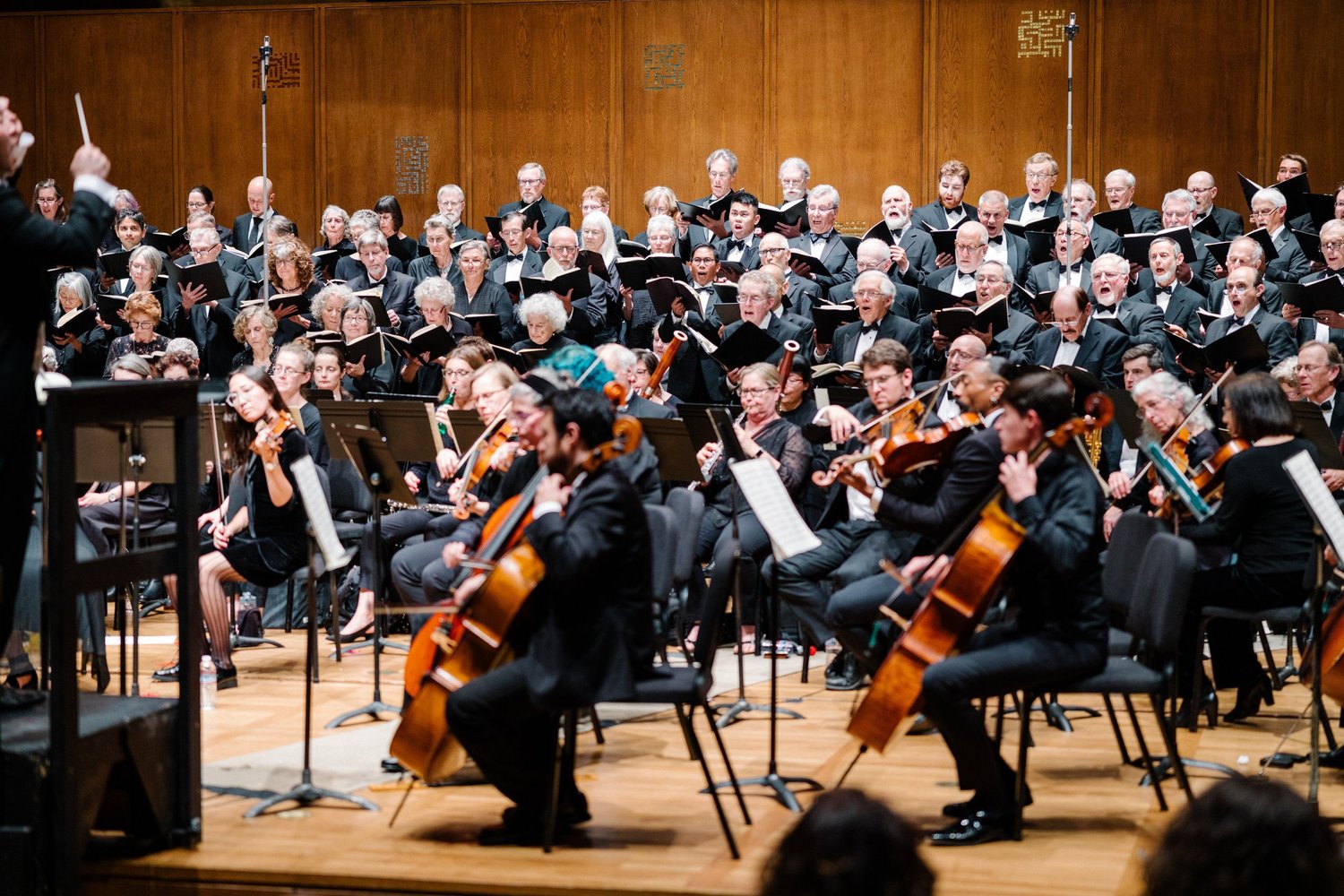
Chorus since 2018 · photography · food · travel · French, with some Tagalog and Korean